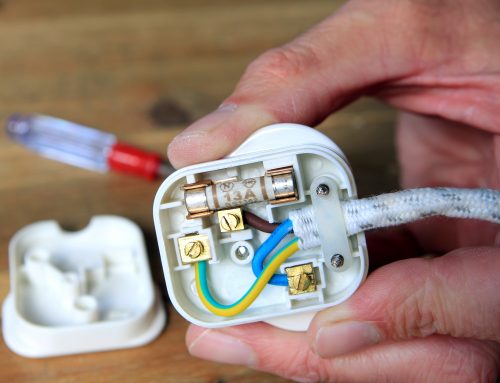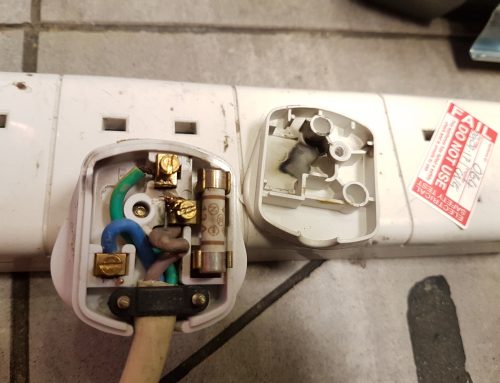

What is PAT testing and who needs PAT testing? These are questions we are often asked by our customers.
PAT testing stands for Portable Appliance Test. Portable appliance testing is the term used to describe the examination of electrical appliances and equipment to ensure they are safe to use. Some electrical safety defects can be found by visual examination but some types of defects can only be found by testing. To find out more about what is PAT testing click here to go to our ‘What is PAT testing?’ blog.
So who needs PAT testing?
Very simply put is any business owner, from a sole trader to big corporations who have portable electrical appliances, these items need to be maintained and safe for their staff and clients.
Who needs PAT testing includes a wide range of business owners. For example we test beauty salons, offices, building sites, cleaners, industrial units, clubs, restaurants and leisure sites. Another group who need PAT testing included in their annual maintenance is landlords. Landlords, any person who earns an income from renting out their property, for example; flat, house, boat or holiday rental, need to ensure their electrical items are carefully tested and maintained. In each property we test any electrical item with a plug, such as washing machines, cookers, electric radiators and kettles, to ensure their safety.
Over a quarter of all fires in the workplace are caused by faulty or incorrect use of electrics. Especially at risk are old kitchen appliances, such as microwaves, fridges and kettles or overloaded extension leads. Our highly qualified, experienced engineers look at the overall safety of each item and its environment, advising and helping you to adhere to your health and safety requirements. So the question ‘Who needs PAT testing?’ is YOU! PAT testing can prevent deaths, injury, loss of equipment and loss of earnings!
Who needs PAT testing? Any business owner, of any size. The responsibility of safe appliances lies with the person who is the duty holder; this could be a business owner, landlord, equipment user, or manager of a premise. The Health and Safety Executive guidance states the requirement that “any electrical equipment that has the potential to cause injury is maintained in a safe condition.”
PAT testing is not, in itself, a legal obligation. The Electricity at Work Regulations 1989 require that any electrical equipment that has the potential to cause injury is maintained in a safe condition. The Regulations do not specify what needs to be done, by whom or how frequently (ie they don’t make inspection or testing of electrical appliances a legal requirement). However, PAT testing is the most effective way to do this, particularly for high risk or large, complex environments, therefore it has become an ‘industry standard’ way of meeting this legal obligation. In fact many insurance companies and letting agencies insist on annual PAT testing.
If you would like to read the specific guidance concerning electrical equipment at work, you can find this in a number of pieces of legislation:
– The Health & Safety at Work Act 1974
– The Electricity at Work Regulations 1989
– The Provision and Use of Work Equipment Regulations 1998
– The Management of Health & Safety at Work Regulations 1999